
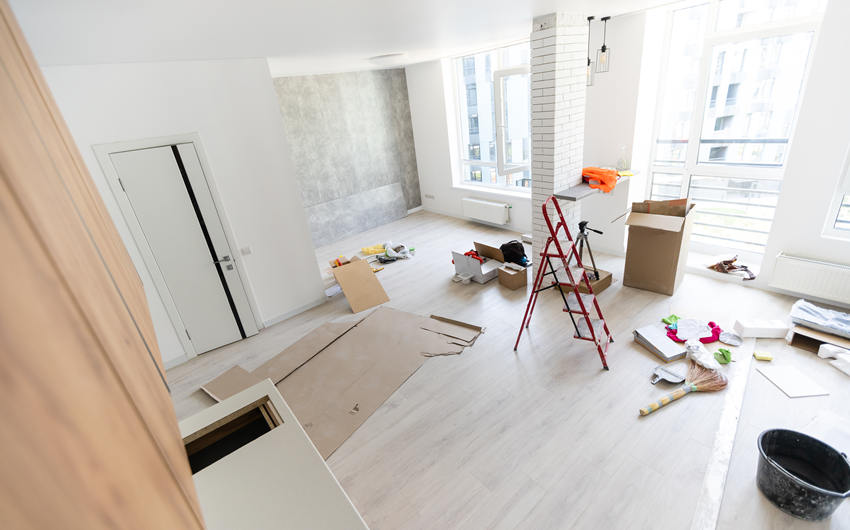
Starting a major home renovation is an exciting step, but it is also a serious commitment that affects your daily routine, finances, and peace of mind. Many homeowners focus on the final result without fully understanding the planning and preparation required to reach that goal smoothly. A successful renovation is not only about changing how a space looks. It is about making thoughtful decisions, setting clear expectations, and staying organized from the beginning.
Knowing what to expect before the first wall is opened or the surface is changed can help you avoid frustration and make the process far more rewarding. A renovation touches nearly every part of your life, from where you live to how you manage daily tasks. Taking time to understand the process helps you approach it with confidence instead of stress.
Setting a Realistic Budget and Financial Plan
A major home renovation should always begin with a clear and honest look at your finances. Before any work starts, you need to understand what you are comfortable committing to over the entire duration of the project. This clarity helps prevent rushed decisions and unnecessary stress once work is underway.
Start by outlining what you want to accomplish and ranking those goals by importance. This makes it easier to allocate funds wisely and avoid stretching resources too thin. It is also important to think beyond visible changes and consider supporting work that may be required behind the scenes. Planning ahead gives you greater control and reduces the likelihood of interruptions.
Some homeowners explore structured funding options like home improvement loans as part of their planning process, while others rely on savings or phased upgrades. Regardless of the approach, the focus should always remain on financial stability and long-term comfort.
Defining Clear Goals for the Renovation
A major renovation should begin with a strong understanding of why you are doing it. Clear goals help shape every choice, from layout changes to material selection. Are you renovating to improve daily comfort, create more space, or update outdated areas? Knowing your primary purpose keeps the project focused and prevents unnecessary changes along the way.
Take time to think about how you use your home now and how you want to use it in the future. Consider daily habits, family needs, and how the space should support your lifestyle. Writing down your goals can help you stay grounded when faced with decisions during the renovation.
Understanding the Scope and Timeline
A renovation can range from simple updates to extensive structural changes. Understanding the full scope of your project helps set realistic expectations. The scope defines what areas will be affected, how complex the work will be, and how much coordination is required.
Along with scope, it is important to have a realistic sense of time. Renovations often take longer than expected due to planning requirements, material availability, or necessary adjustments during the work. Knowing this in advance helps you remain patient and flexible.
Hiring the Right Professionals
Choosing the right professionals is one of the most important decisions in a major renovation. Skilled and reliable experts bring experience, guidance, and problem-solving abilities that make the process smoother. Take time to research, ask questions, and select individuals who communicate clearly and understand your goals.
A good professional relationship is built on trust and transparency. You should feel comfortable discussing concerns and asking for explanations when needed. Clear communication helps avoid misunderstandings and ensures that your expectations are respected.
Permits, Rules, and Approvals
Many major renovations require permits or approvals before work can begin. These rules exist to ensure safety and proper standards, and they should never be overlooked. Understanding what is required for your project helps prevent delays and complications.
Permits often relate to structural changes, electrical work, or plumbing adjustments. Working with professionals who are familiar with these requirements can simplify the process.
Preparing the Home and Household
A major renovation affects daily life in ways many people underestimate. Preparing your home and household helps reduce disruption and stress. This preparation includes setting up temporary living arrangements within the home if needed and protecting belongings from dust or damage.
Clear pathways, organized storage, and designated work areas help the project run more efficiently. It is also important to communicate with everyone in the household about what to expect.
Material Choices and Long-Term Use
Material selection plays a major role in how your renovated space functions and feels. Choosing materials should go beyond appearance and consider durability, maintenance, and long-term use. A thoughtful approach ensures that your renovation continues to serve you well over time.
Think about how each space will be used daily. High traffic areas may need stronger materials, while quieter spaces may allow for more delicate options. Balance practicality with personal style to create a result that feels both functional and welcoming.
Communication and Decision Making During the Project
Clear communication is essential once the renovation is underway. Regular updates and open discussions help everyone stay aligned and address issues quickly. When questions arise, prompt responses prevent small concerns from becoming larger problems.
Decision-making during a renovation can feel overwhelming, especially when multiple choices appear at once. Staying organized and referring back to your original goals can help simplify this process.
Managing Stress and Expectations
Even with careful planning, renovations can be emotionally demanding. Managing stress starts with realistic expectations. Understand that challenges may arise and that flexibility is often required.
Taking breaks from the project when possible and focusing on progress rather than temporary setbacks can help maintain a positive mindset. Remember that disruptions are temporary and part of creating a better living environment.
Planning for the Unexpected
Unexpected issues are common in major renovations, especially in older homes. Hidden problems may only become visible once work begins. Planning for these moments helps you respond calmly and effectively.
Flexibility in decision-making allows you to adjust plans without feeling overwhelmed. Trusting experienced professionals to guide solutions can make unexpected situations easier to manage.
