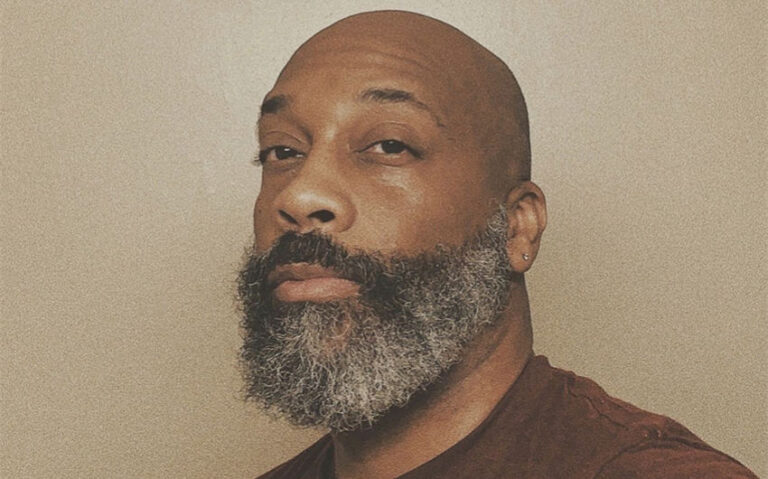

If you searched for Bobby Brown net worth, you’re probably wondering how someone who helped define an era of R&B can be discussed in “a few million” terms instead of the huge numbers people expect. The simple answer is that Bobby Brown’s career brought in major money at different points, but net worth is about what stays after decades of life, taxes, fees, legal costs, and personal setbacks. In 2026, the most realistic way to discuss his finances is with a range that matches how music wealth actually works for artists from his generation.
Estimated Bobby Brown net worth in 2026
In 2026, a reasonable estimate places Bobby Brown’s net worth in the $2 million to $4 million range, with a practical midpoint around $3 million. That number may surprise people who only think about his peak fame, but it lines up with how older-era music contracts, spending patterns, and long-term costs can shape what an artist actually keeps.
It’s also important to clear up a common mix-up. This is Bobby Brown the singer from New Edition and “My Prerogative,” not makeup entrepreneur Bobbi Brown and not actress Millie Bobby Brown.
Why Bobby Brown’s net worth is lower than people expect
Bobby Brown is one of those artists who feels “too famous” to have a modest net worth. But fame and fortune don’t always move together. Many artists from the 1980s and 1990s earned huge money in bursts, then lost momentum through expensive lifestyles, contract splits, or long stretches without strong touring income.
There are a few reasons his net worth is often estimated in the low millions instead of the tens of millions:
- Older contract structures: many artists from that era did not have the same long-term, owner-friendly deals that newer artists chase today.
- Splits and recoupment: record deals can look massive from the outside while still leaving the artist with far less once costs are deducted.
- Personal and legal costs: court issues, legal support, and life disruptions can drain savings over time.
- Touring gaps: touring is often the biggest wealth accelerator, and any interruptions can slow net worth growth.
In other words, Bobby Brown’s story isn’t “he didn’t make money.” It’s “the money didn’t always stick.”
The first engine: New Edition and group-era earnings
Bobby Brown’s career begins with New Edition, one of the most important R&B groups of the 1980s. Group success creates several kinds of income: album revenue, touring pay, merchandise, and long-term catalog value. Even years later, group nostalgia can drive reunion tours and renewed streaming, which can create meaningful income spikes.
But group income also comes with division. When multiple members share earnings, each person’s slice is smaller than the public assumes. On top of that, early-career deals for young artists are not always friendly. Many acts learn the hardest lesson in entertainment early: a hit can make you famous faster than it makes you wealthy.
Still, New Edition remains an important part of Bobby Brown’s net worth because it created the foundation: name recognition, fan loyalty, and a catalog that never fully disappears.
The biggest engine: Bobby Brown’s solo peak years
If you want to understand why Bobby Brown’s net worth is still in the millions in 2026, you have to look at his solo explosion. His late-1980s run turned him into a true superstar, not just a “boy band member.” That era created huge revenue through album sales, radio play, touring, and licensing.
His solo catalog is the type that keeps earning because it sits inside a recognizable era of American music. When a song becomes part of pop culture, it can generate money in many ways:
- Streaming: steady plays from longtime fans and new listeners.
- Radio and playlist rotation: classic R&B continues to be programmed.
- Licensing: placements in film, TV, and commercials can pay well.
- Cover versions and sampling: older hits often get reused, sometimes with new approvals and payouts.
Even if the pay per stream is small, a classic catalog earns because it never stops being played. The real question is not “does it earn?” The question is “how is it split?” And older catalogs often have multiple stakeholders involved.
Royalties: what a legacy catalog can do (and what it can’t)
People often assume royalties mean an artist is automatically rich forever. Royalties can be strong, but they aren’t magic. How much Bobby Brown earns from his music depends on:
- whether he owns his masters or only receives an artist royalty rate
- how publishing is split (writers, producers, publishers)
- whether advances were recouped and what the deal terms require
- how much of the catalog is actively streamed, licensed, or used
One thing Bobby has going for him is recognizability. His biggest songs and era are easy to place in nostalgia culture. Nostalgia is a business now. It keeps older hits circulating and keeps the catalog alive.
But royalties alone usually don’t turn into “new billionaire money” unless the artist owns a large share of the rights and the catalog is managed aggressively for licensing and placements. For many artists, royalties are a steady foundation, not a rocket ship.
Touring and reunions: the money lane that changes everything
Touring is often where artists make the most “solid” money. Albums build fame, but tours build bank accounts. For legacy artists, touring can be especially powerful because fans are paying for an experience, not just a song. When New Edition reunites or when Bobby appears in high-demand touring packages, that can create large checks in a short period of time.
Touring income also comes with major expenses. Crew, travel, rehearsals, staging, insurance, and management cuts can eat into profit. Still, touring is usually the fastest way for an artist to add meaningful cash flow, especially when ticket demand is strong.
In Bobby Brown’s case, live performance matters because it can push net worth upward in years when streaming money alone would be steady but smaller.
TV, branding, and public visibility
Another reason Bobby Brown’s net worth doesn’t collapse into “washed-up” territory is that he stayed visible. Television work, docuseries appearances, reality formats, and interview circuits can all generate income. They can also keep an artist relevant, which helps the catalog keep earning.
TV money is rarely the main wealth driver for a music legend unless the show is a major long-running hit with strong backend terms. But it can still add meaningful income, and it can create opportunities like:
- paid appearances and hosting
- sponsored content or event bookings
- renewed interest in older music and tours
Visibility has financial value. It makes it easier to sell tickets, easier to negotiate partnerships, and easier to keep the name circulating in a crowded entertainment world.
Where the money likely went: the costs that shrink a fortune
To understand Bobby Brown’s net worth in 2026, you also have to understand what can reduce wealth over time. Even very high earners can end up in a “low millions” net worth bracket if the outflow is heavy for long enough.
The most common drains that affect long-term celebrity wealth include:
- Taxes: high-income years create big tax bills, and penalties can grow if issues stack.
- Legal costs: attorneys, settlements, court obligations, and ongoing support expenses can be massive over decades.
- Lifestyle inflation: when income rises quickly, spending often rises faster than people realize.
- Management and representation: agents, managers, business managers, and advisers take percentages.
- Career interruptions: gaps in touring or recording reduce the biggest income lane.
For an artist who peaked in the late 80s and early 90s, it’s also common that early money wasn’t managed like modern “brand empires” are managed today. Financial education for young stars has improved, but plenty of earlier-era artists learned the hard way.
Why net worth estimates online are all over the place
If you’ve seen net worth numbers for Bobby Brown that vary wildly, that’s normal. Most sites don’t have access to private contracts, private assets, or private debts. They’re guessing based on public visibility and career highlights.
Some sites lean optimistic and assume the catalog and touring income are captured efficiently. Others lean pessimistic and assume heavy expenses and limited ownership. The truth is usually in the middle, which is why a $2 million to $4 million range makes more sense than extreme claims in either direction.
A simple way to understand Bobby Brown’s net worth in 2026
If you want the cleanest mental model, think of his finances as three layers:
Layer one: legacy catalog. His solo hits and New Edition work create steady earning power through streaming, licensing, and nostalgia demand.
Layer two: touring and appearances. Live shows and reunion moments can add big spikes when schedules align.
Layer three: long-term costs. Taxes, legal expenses, and lifestyle choices shape what remains.
When all three layers are considered, it becomes easier to understand why the net worth is solid but not enormous.
So, what is Bobby Brown’s net worth in 2026?
The most realistic estimate is that Bobby Brown’s net worth in 2026 sits around $3 million, with a reasonable range of $2 million to $4 million. He built major earnings through New Edition and a massive solo run, and his catalog still has real value. But like many artists from his era, the final net worth reflects both the money he made and the money life required him to spend along the way.
image source: https://people.com/bobby-brown-heartbreak-healing-bobbi-kristina-bobby-brown-jr-whitney-houston-deaths-11737332