
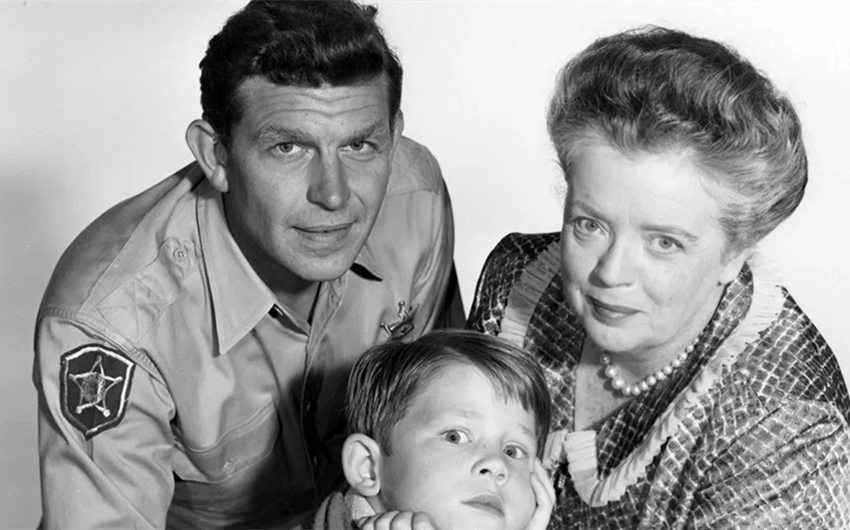
People still search for Frances Bavier’s net worth at death because she felt like family on TV. She played Aunt Bee on The Andy Griffith Show, but her real life was much quieter and more private. So how much money did she actually have when she died? The best-supported answer points to a modest but meaningful estate, not massive Hollywood wealth.
Estimated Frances Bavier Net Worth at Death
Estimated net worth at death (1989): about $900,000. Most reporting puts her estate in the $700,000 to $1,000,000 range when she died in December 1989. That range is based on coverage describing a “$700,000-plus” estate and other reports calling it an estate “nearing $1 million.”
If you like to think in “today’s money,” inflation changes the feel of those numbers. Using a common CPI-based inflation estimate, $1 in 1989 has the buying power of about $2.61 today. That would make her 1989 estate range roughly $1.8 million to $2.6 million in today’s dollars, with a midpoint near $2.35 million.
Important note: “net worth” is not a perfect word here. We don’t have a public balance sheet from Frances Bavier. What we do have are estate reports that describe what she left behind. Estate value can also shift depending on debts, medical costs, taxes, legal fees, and how property is valued.
What We Know for Sure About Her Estate
Even though Frances Bavier lived privately, several details about her estate have been reported clearly and consistently. The most famous piece is the gift to the police department in her retirement town.
She left $100,000 to the Siler City police as a trust fund
Reports say her will directed $100,000 to be placed into a trust for the Siler City, North Carolina police department. The story that gets repeated most often is that the trust’s interest would be shared among the officers as a Christmas bonus each year. That detail matters, because it shows she planned for the gift to last, not disappear in one year.
Even if you ignore every “net worth” website on the internet, this one fact gives a real clue: people don’t usually create a $100,000 trust unless they have a fairly solid estate overall. It doesn’t prove she was a millionaire, but it does support the idea that she had saved well.
Her estate was split between charities and people in her life
Reports also describe her estate being divided among charitable causes and individuals. This is another reason the estate figure is more believable than random online guesses. When journalists list multiple beneficiaries, it usually means they are working from reporting about the will or from a newspaper account of it.
In other words, the “estate range” we’re using is not based on vibes. It’s based on reporting about what she left behind, and that is a much stronger signal than a single number copied around the web.
Why So Many Websites Claim Different Net Worth Numbers
If you’ve searched this topic, you’ve probably seen wildly different claims. One site will say $1.4 million. Another will say $5 million. Another will say $10 million. When numbers bounce around like that, it usually means the number is not coming from a document, a court record, or a credible report. It is often just repeated content.
Here’s the simple way to think about it:
- Estate-based reporting tends to land in a tighter range (like $700,000 to $1 million).
- Internet “net worth” pages often inflate the number because bigger numbers get more clicks.
- Older celebrities are especially easy targets for inflated estimates because their finances were not tracked publicly like modern celebrity businesses are today.
So when you see an exact number that looks confident, ask: “Where did it come from?” If there’s no clear source, treat it as a guess.
How Frances Bavier Made Her Money
Frances Bavier did not build wealth the way many modern stars do. She didn’t have a lifestyle brand, a makeup line, or a social media empire. She was a working actress who earned money over a long career and then retired.
1) A long career in acting
She worked for decades in theater, film, and television. Her best-known work is Aunt Bee on The Andy Griffith Show and later Mayberry R.F.D. She also appeared in other roles before and after Mayberry, which matters because steady work over time is how many actors build financial stability.
2) Television pay, then later residual income
Classic TV actors could earn money from the show while it aired, and sometimes from reruns later, depending on contracts and deals at the time. The details can be complicated, and contracts from that era are not always public. But it’s reasonable that her Mayberry years provided her top earnings window.
Still, it’s a mistake to assume every famous TV actor from the 1960s ended up extremely wealthy. Many were comfortable, not rich, especially if they weren’t major film stars or producers.
3) Living simply and saving
One of the biggest clues about Frances Bavier’s finances is that her lifestyle did not look flashy. She retired and lived quietly in Siler City, North Carolina. A person can build a “quiet fortune” simply by earning steady income, avoiding big spending, and saving consistently over time.
That lifestyle pattern fits the estate range we’re using. It suggests she may have had a paid-off home, savings, and investments, even if she was not living like a modern celebrity.
What “Net Worth at Death” Really Means
When you read “net worth at death,” most people picture a single clean number. Real life is messier. Here are the most common reasons the final number can be hard to pin down:
Assets can be hard to value
A home, personal property, and collectibles don’t have one obvious value. The value depends on the market, appraisals, and the condition of the items. Even the same house can be valued differently depending on how the estimate is done.
Costs can reduce the estate
Medical bills, end-of-life care, debts, and estate administration fees can reduce what is left. That’s why “estate value” reported in a story might be different from the amount that beneficiaries actually receive.
Estate planning can shape the story
Trusts, gifts, and specific bequests can spread money out in a way that makes the estate feel larger or smaller depending on what is being discussed. For example, a $100,000 trust fund is a very visible detail, even if it’s only one piece of a bigger picture.
So, Was Frances Bavier “Rich” When She Died?
It depends on what you mean by rich.
By everyday standards, an estate around $900,000 in 1989 is absolutely significant. It suggests a person who was financially secure and able to give generously. In today’s dollars, that kind of estate feels like “quiet wealth,” especially for someone who lived privately and did not appear to spend big.
But compared to modern celebrity fortunes, it’s not “mega-wealth.” It’s not tens of millions. It’s not a business empire. It’s a well-saved lifetime of earnings.
And honestly, that is part of why this story still feels meaningful. The legacy isn’t just that she played a beloved character. It’s that she used what she had to support a community and causes she cared about.
Key Takeaways
- Best estimate: Frances Bavier’s net worth at death was about $900,000 (1989).
- Likely range: Roughly $700,000 to $1,000,000 based on estate reporting.
- In today’s dollars: That range is roughly $1.8M to $2.6M using a common inflation estimate.
- Why it’s hard to be exact: Estates involve valuations, costs, and private financial details.
- Big picture: Her wealth looks like steady earnings, simple living, and smart saving—not flashy celebrity money.
image source: https://www.womansworld.com/entertainment/classic-tv/frances-bavier-the-real-life-of-aunt-bee-on-andy-griffith