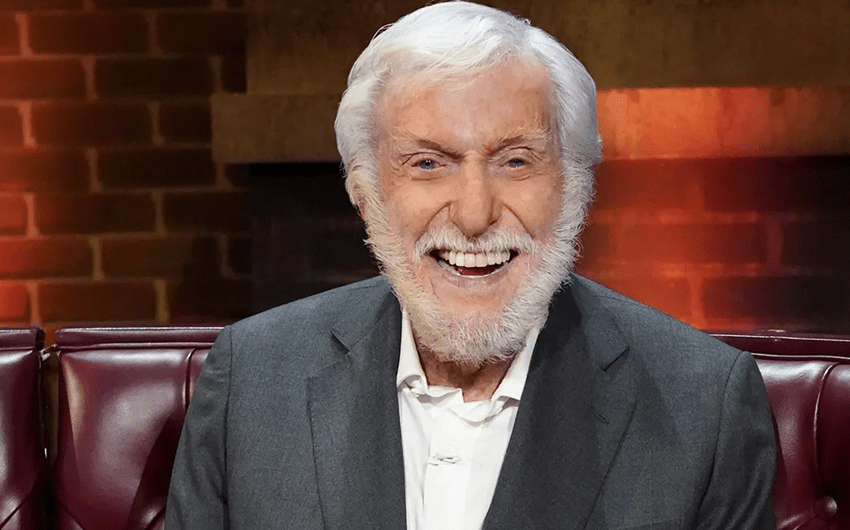
There’s a reason people keep searching Dick Van Dyke net worth, even as his career stretches into a full century of life. He’s not just a nostalgic name—he’s the rare performer who stayed beloved across multiple generations of television, film, stage, and live appearances. So how much is he actually worth, and what built that fortune over so many decades? Let’s put a realistic number on it, then break down where the money likely came from.
Dick Van Dyke net worth estimate in 2025
Estimated net worth (2025): $50 million
Estimated range: $40 million to $60 million
This estimate lines up with the most consistent figure published across major celebrity net worth trackers and mainstream entertainment finance explainers. You’ll occasionally see higher or lower numbers, but $50 million is the “middle” figure that shows up repeatedly across multiple sources that update their estimates regularly.
It’s also a number that makes sense when you think about what Van Dyke has that most entertainers never get: an iconic sitcom that never stops being rerun, multiple classic Disney-era films that keep introducing him to new audiences, and a long tail of earnings from a career that didn’t end when the spotlight shifted. In other words, he didn’t earn his wealth in one lucky year—he built it in layers.
Why Dick Van Dyke’s money story is different from most celebrities
Most celebrities have one main lane. They’re an actor who did a few big films. Or a musician who had a huge album run. Or a TV star who peaked and disappeared. Dick Van Dyke is the opposite. His value is “stacked.”
He worked across:
- Network television (multiple successful eras)
- Film (including cultural cornerstones like Mary Poppins)
- Stage and live performance (which can stay lucrative long after peak fame)
- Voice work, guest roles, specials, and cameos (the modern long tail)
- Real estate (which can quietly add millions to a net worth over time)
When you add all of that together, $50 million doesn’t feel like a shocking number. It feels like the result of a career built to last.
The “forever engine”: The Dick Van Dyke Show and syndication value
If you had to point to one core reason his net worth remains high, it’s this: The Dick Van Dyke Show became a permanent part of American TV history. Shows like that don’t simply “end.” They move into rotation—reruns, licensing deals, streaming packages, anniversary programming, and cultural rediscovery.
Now, the exact money a performer gets from reruns depends on contract terms, ownership, and how the show is distributed. Those details are not fully public, and older TV contracts don’t always work like modern streaming deals. But even without seeing private paperwork, the logic is straightforward: if your work is still making money for networks and platforms decades later, you’re almost certainly seeing some form of ongoing income—especially when your name is the brand of the series.
That doesn’t mean Van Dyke is collecting a massive check every week forever. It means the show built a financial foundation that didn’t vanish when the final episode aired.
Film money: the Disney era that never stops paying in attention
Van Dyke’s film career gave him something priceless: evergreen relevance. Mary Poppins is still a gateway movie for families, and every new generation that discovers it keeps his name commercially alive. He also starred in other widely remembered films like Bye Bye Birdie and Chitty Chitty Bang Bang, which add to that long-term value.
Here’s the underrated part of “classic film wealth”: even when a performer isn’t earning modern blockbuster salaries, the fame itself becomes a career asset. Classic movies keep you in the public imagination, which keeps you bookable—interviews, specials, tributes, brand partnerships, and paid appearances.
So yes, film pay matters. But the bigger financial effect is that these movies made him an institution. Institutions keep earning.
Diagnosis: Murder and the second great TV paycheck
Plenty of actors are remembered for one era. Van Dyke had more than one. Later in his career, he anchored another popular television run with Diagnosis: Murder. Long-running TV is where many performers build stable wealth, because it’s consistent work: seasons, contracts, and rerun potential.
And that matters for net worth because “stability” is often what creates saving and investing power. A performer who works steadily for years can make smarter long-term moves than someone who has one huge year and then five quiet ones.
Modern relevance: awards, guest roles, and staying active
One reason the public still talks about Dick Van Dyke as if he’s a current star is that he keeps popping up in current culture. In 2024, he made history by becoming the oldest Daytime Emmy winner at the time, thanks to a guest role on Days of Our Lives. Even though that specific record was later surpassed, the moment reinforced something important: he wasn’t being honored as a museum piece. He was being honored for showing up and doing the work.
Why does that matter financially? Because ongoing relevance creates opportunity. Even if you don’t chase money, money finds people who remain visible. Tributes lead to specials. Specials lead to licensing. Licensing leads to payouts. And at this stage of a legend’s life, much of that income can be negotiated from a position of respect and strength.
Turning 100 and the “brand value” of being a living legend
Dick Van Dyke turned 100 in December 2025, and major outlets covered the milestone as a national cultural moment. That kind of attention has financial value even when it’s not crass or commercial. It boosts the demand for archival content. It increases streaming interest. It raises the price of licensing classic clips. It drives renewed sales of books and documentaries. It expands the audience again.
A centennial moment is also the kind of event that can lead to paid appearances, sponsored tributes, and premium documentary projects—especially when the person is still sharp, still charming, and still able to perform in small ways.
Real estate: the quiet multiplier most fans overlook
For wealthy entertainers, real estate often becomes the “invisible” piece of net worth. Unlike a paycheck, property equity can grow quietly and dramatically over time.
Van Dyke’s Malibu home has been widely discussed in celebrity real estate coverage, with multiple outlets placing its value in the neighborhood of $8 million. Even if you treat that as an approximate media valuation rather than a formal appraisal, it shows the obvious: he owns high-value property in a premium market.
In net worth terms, that means a large portion of his wealth can sit in a house, not a bank account. That’s how many older Hollywood fortunes actually work. They’re asset-based.
Books, speaking, and the long tail of “Dick Van Dyke as an idea”
At a certain level of fame, your name becomes a kind of product—hopefully a dignified one. Van Dyke has released books over the years and continued to appear in interviews and special events. He’s also been tied to arts-related fundraising efforts and public tributes. These projects don’t always pay like acting jobs, but they help maintain a profitable ecosystem around a public figure.
Think of it like this: the more “active” your legacy is, the more your existing work stays monetizable. A quiet legend can fade. A visible legend becomes a living archive, and archives have value.
What could reduce a net worth number at this stage?
It’s easy to see the $50 million estimate and assume it only rises. Real life isn’t that clean. Several factors can reduce or reshape wealth later in life—even for a successful star.
Healthcare and aging costs
Living to 100 is a gift, but it can also be expensive. Even with strong resources, long-term care, mobility support, household help, and medical needs can add up quickly.
Taxes and asset structure
Net worth estimates rarely know how someone’s assets are structured—trusts, joint ownership, estate planning, and charitable arrangements. Two people with the same “assets” on paper can have very different usable wealth depending on how everything is organized.
Philanthropy and giving
Legends often give away meaningful amounts, quietly. Endowments, museum projects, scholarships, and arts funds can shift assets in ways net worth websites don’t model well.
That’s why the range matters. $50 million is a strong middle estimate, but the real number could reasonably sit somewhat above or below it depending on private factors.
So, how did he really build $50 million?
If you boil it down, Dick Van Dyke’s estimated fortune came from a simple, durable formula:
- One of the most rerunnable sitcoms ever made
- Classic films that never age out of family culture
- A second major TV run that extended his earning years
- Late-career relevance that kept opportunities alive
- High-value real estate in Southern California
He didn’t build wealth by chasing every trend. He built it by being extremely good at what he does for an extremely long time. Longevity isn’t just inspiring—it’s financially powerful.
The clean one-sentence answer
Dick Van Dyke’s net worth is estimated at around $50 million in 2025, built from decades of TV and film success, long-term licensing value, and high-value real estate.
Final thoughts
When you look at Dick Van Dyke’s life, the money is almost the least interesting part. But the reason his net worth holds up is actually the same reason his legacy holds up: he made work that keeps living. The jokes still land. The physical comedy still looks effortless. The performances still feel warm instead of dated. And when your work stays alive, it keeps creating value—financially, culturally, and personally. In that sense, $50 million is just the number people can Google. The real fortune is that he’s still beloved while he’s here to see it.
image source: https://www.foxnews.com/entertainment/dick-van-dyke-99-credits-ditching-two-bad-habits-for-his-near-century-longevity