If you’re searching for Emiliano Zapata wife, the name most commonly tied to him is Josefa Espejo (often written as Josefina Espejo). While Zapata became a symbol of land, rebellion, and “Tierra y Libertad,” his home life was far more private—and often overshadowed by the sheer size of his historical myth.
Here’s what’s known about Josefa, their marriage, the family reality behind the revolution, and why people still ask about her today.
Quick Facts
- Emiliano Zapata’s Wife: Josefa (Josefina) Espejo
- Known For: Wife of Emiliano Zapata; lived largely outside the spotlight of his legend
- Era: Mexican Revolution (early 1900s)
- Zapata Known For: Leader of the Liberation Army of the South; agrarian reform movement
- Famous Motto Linked To Him: “Tierra y Libertad” (Land and Freedom)
- Marriage Style: Personal and private, shaped by war, danger, and constant movement
- Family Notes: Zapata is often reported to have had children; exact details vary across accounts
Who Is Emiliano Zapata?
Emiliano Zapata (1879–1919) was a Mexican revolutionary leader and one of the most enduring symbols of the Mexican Revolution. Born in Anenecuilco, Morelos, he grew up in a rural community where land wasn’t just property—it was survival. When powerful landowners expanded haciendas and displaced village farmers, Zapata became known as a leader who refused to accept “progress” that crushed ordinary people.
He rose to prominence as the head of the Liberation Army of the South and is most closely associated with the fight for agrarian reform—returning land to villages and protecting communal rights. His legacy is tied to the idea that a revolution should mean something concrete for everyday families: food, land, dignity, and control over their own future. That’s why he’s still treated as a folk hero, not just a historical figure.
Because Zapata became larger than life, a lot of people forget he was also a person who had relationships, obligations, and a private world. That’s where the question of Emiliano Zapata wife comes in: people want to understand the human life behind the symbol.
Who Was Emiliano Zapata’s Wife Josefa Espejo?
Josefa Espejo (often called Josefina) is widely recognized as Emiliano Zapata’s wife. Compared to Zapata’s enormous public legacy, Josefa’s story is far quieter—partly because the era didn’t preserve women’s personal histories with the same care, and partly because revolutionary life wasn’t designed for publicity or comfort.
Josefa is typically described as coming from the same regional world Zapata did—communities where family reputation, local ties, and survival mattered more than fame. She is not remembered as a public political figure in the way some revolutionary-era women are, but that doesn’t mean she was insignificant. It often means she was doing the kind of work that history ignores: holding family life together while the world outside became dangerous and unstable.
When you read about Josefa, the biggest theme is privacy. She wasn’t positioned as a public “first lady of the revolution.” Instead, she’s remembered as the woman connected to Zapata’s personal life—someone who lived alongside a man who was constantly at risk.
When Did Zapata And Josefa Espejo Get Married?
Zapata and Josefa Espejo are commonly said to have married during the revolutionary period, often dated to the early 1910s. Because records and retellings can differ from source to source, you’ll see slight variations in the exact year depending on the account you read.
The bigger truth is more important than the exact date: their marriage took place in a time when Mexico was in upheaval. This wasn’t a calm “settle down” era. It was a time when a political stance could get you targeted, and being connected to a revolutionary leader could place your entire household in danger.
What Marriage Looked Like During A Revolution
It’s easy to imagine a marriage as a stable home, a routine, a predictable future. For someone like Zapata, marriage likely looked nothing like that. His life was defined by movement, threats, shifting alliances, and constant responsibility to the cause and the people who followed him.
That means Josefa’s reality likely included things most spouses never face:
- Uncertainty: not knowing when or if he would return
- Risk: being a target by association
- Isolation: separation caused by military and political pressures
- Community scrutiny: living under public judgment in a tense environment
In many revolutionary stories, the leader becomes the headline and the spouse becomes a footnote. But if you picture the human side, you can see how central Josefa’s role could be—just not in the ways history tends to record.
Did Emiliano Zapata Have Children With His Wife?
This is one of the most searched and most complicated parts of the “Emiliano Zapata wife” topic. Zapata is often reported to have had children, and he is also frequently described as having had relationships outside his marriage. Because of that, accounts can differ on:
- how many children he had
- which children were officially recognized
- which relationships produced children
- how names and timelines were recorded locally
So, what can you say with confidence in a “normal” way? Zapata is widely associated with having children and descendants, but the exact number and maternal details are not always presented consistently in popular summaries. That inconsistency is common for early-1900s figures, especially those living through war, when documentation and official recordkeeping can be uneven.
What’s important is that Josefa’s identity in history often gets reduced to “wife,” while Zapata’s identity is expanded into legend. Family life tends to be where history becomes blurrier—because personal lives were not documented with the same care as battles and political plans.
Why Josefa Espejo’s Story Is Often Hard To Find
If you’ve tried to research Josefa and felt like the details are thin, you’re not imagining it. There are a few reasons:
- Women’s histories were under-recorded. That’s a reality of the era, not a reflection of importance.
- Revolutionary life created gaps. People moved, hid, and avoided paperwork for safety.
- Zapata’s myth grew larger than his biography. Over time, the symbol outshined the household story.
- Local history stays local. Some details exist more in community memory than in widely circulated mainstream profiles.
In other words, the lack of detailed public records is not proof that Josefa “didn’t matter.” It’s proof that the historical spotlight was pointed elsewhere.
How Josefa Fits Into Zapata’s Larger Legend
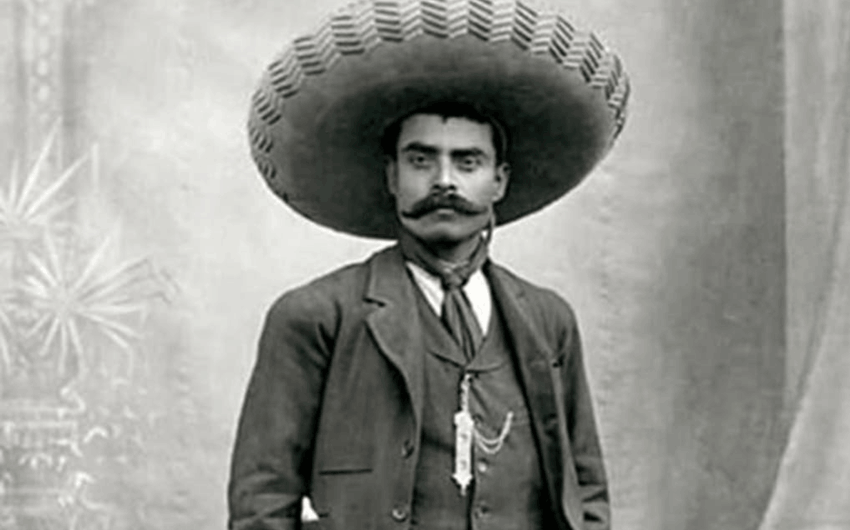
When people think of Zapata, they picture the mustache, the sombrero, the horse, the revolutionary portrait. That image is powerful—but it’s also incomplete. Leaders don’t exist in a vacuum. Even a man who lived in motion had a personal world: family ties, responsibilities, and relationships that shaped how he saw loyalty and sacrifice.
Josefa’s presence in his life points to a side of Zapata that history sometimes flattens:
- The human side: a man with private commitments, not just public demands
- The cost of leadership: the people around him paid a price too
- The difference between legend and life: icons still have households
Even if Josefa wasn’t a public political figure, her relationship to Zapata still matters because it reminds you that revolutions aren’t just fought by soldiers. They’re survived by families.
What Happened To Josefa After Zapata’s Death?
Zapata was killed in 1919, and after that, the revolutionary world kept evolving. For someone in Josefa’s position, life afterward would likely have involved navigating loss, survival, and the complicated legacy of being attached to a national symbol.
In many cases, widows of revolutionary figures had to balance two pressures at once:
- Protection: staying safe in a shifting political landscape
- Legacy: being tied to a name that people argue over, celebrate, and politicize
Because Josefa lived outside the celebrity-style spotlight, the public record tends to focus far more on Zapata’s myth than on her later years. But the very fact that people still search her name shows a modern instinct: you want the whole story, not just the heroic poster.
Common Questions About Emiliano Zapata’s Wife
Was Emiliano Zapata married?
Yes. He is widely recognized as having been married to Josefa (Josefina) Espejo.
Why do some sources mention other women?
Zapata’s personal life is often described as complex, and many accounts suggest he had relationships beyond marriage. That can create confusion when people try to label one person as “the wife” and everyone else as irrelevant. Historically, life was rarely that neat—especially during wartime.
Did Zapata have children with Josefa?
Zapata is widely associated with having children and descendants, but popular summaries don’t always agree on exact details. The broader point is that he had a family legacy, even if the documentation is uneven depending on the account.
The Bottom Line
If you’re asking about Emiliano Zapata wife, the name most commonly given is Josefa Espejo. She lived in an era where women’s stories were rarely recorded in full, and she was married to a man whose public legend became enormous. But her presence matters because it reminds you that behind every revolutionary icon is a private life shaped by sacrifice, uncertainty, and survival.
Featured image source: https://vocal.media/fyi/who-was-emiliano-zapata