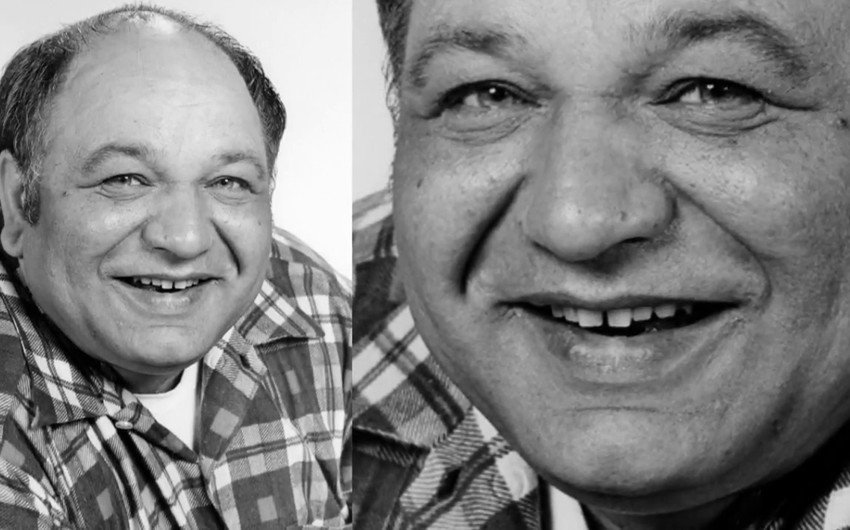
If you searched for Richard S. Castellano net worth, you’re probably thinking of the actor who played Peter Clemenza in The Godfather and delivered one of the most quoted moments in movie history. Because he lived and worked in an era when pay details and long-term royalties were rarely public, there is no official, confirmed number that neatly sums up his wealth. Still, we can build a realistic estimate by looking at how working actors were paid in his time, what his career actually included, and what tends to happen to income after an actor’s peak years end.
Estimated Richard S. Castellano net worth in 2026
A grounded estimate is that Richard S. Castellano’s net worth at the time of his death in 1988 was likely in the $1 million to $5 million range. When translated into 2026 dollars (roughly multiplying by about three, depending on the inflation measure you use), that comes out to approximately $3 million to $15 million in today’s money.
That wide range is intentional. It reflects reality: we do not have a public financial statement, and the difference between “comfortable actor money” and “very wealthy actor money” often comes down to things the public can’t see, like savings habits, property, private investments, and medical or family costs near the end of life.
Why his net worth is hard to confirm
Richard S. Castellano’s career peaked before the modern celebrity economy. Today, actors often have public brand deals, social media revenue, and streaming contracts that get reported and discussed. Castellano’s era was different. Studios did not treat contracts as public conversation, and actors (especially character actors) often did not receive the kind of ongoing residual structure that many viewers assume exists now.
There is also a second reason the net worth is tricky: his most famous work is only a slice of his career. People remember Clemenza, but Castellano’s film and TV work was not a long, nonstop run of blockbusters. His career was respected and important, but it was not built like a modern franchise star’s career with recurring mega-paydays every few years.
Who Richard S. Castellano was in simple terms
Richard S. Castellano was a classic character actor: instantly recognizable, deeply believable, and often more memorable than the “main” leads in a scene. He worked in film, television, and stage, and he earned major respect for performances that felt real instead of shiny. His work was grounded, physical, and human.
He is best known for two things. First, his role as Peter Clemenza in The Godfather. Second, his work in Lovers and Other Strangers, which helped cement him as more than a background face. These were the kind of credits that made him “bankable” for certain roles in the early 1970s, which mattered a lot when studios decided who deserved bigger checks.
His Godfather payday: what we actually know
One useful clue about his earnings is that his The Godfather salary has been reported as $50,000 for the film’s production period, which was notable because it was more than what Al Pacino reportedly earned at the time. That single figure doesn’t make him rich by itself, but it tells us two things that matter for net worth.
First: Castellano was treated as a proven, valuable performer during that production, not a cheap unknown. He was being paid like a reliable professional who could deliver.
Second: His income likely came through solid mid-to-upper tier acting checks for the era, not the tiny rates people sometimes imagine for supporting roles. A good paycheck in a major film could create real savings and real stability, especially if it was paired with steady work.
How working actors made money in his era
To understand Richard S. Castellano’s net worth, it helps to understand the difference between “movie star money” and “working actor money.” Movie stars might negotiate profit participation or larger headline salaries. Working character actors often earned through a mix of:
- Film salaries for roles in studio features and independent projects
- TV salaries for series work, guest roles, and made-for-TV movies
- Theater pay (often respectable but not “wealth-building” by itself)
- Occasional residuals depending on contract terms, unions, and distribution patterns
The biggest difference is that many character actors were paid well when they were working, but they weren’t always paid in a way that created massive, evergreen wealth. Their financial outcome depended heavily on how many years they stayed booked and how well they managed what they earned.
His career length matters more than one iconic role
Castellano’s active years were not endless. He worked from the early 1960s into the early 1980s, with his most famous stretch happening in the 1970s. That matters because net worth is built by duration as much as it is built by fame.
If a performer has 25 years of steady work with solid pay, they can become very comfortable. If the work slows down, the wealth curve changes. A long pause or a shorter career runway can keep a net worth in the “low millions” range rather than letting it climb into the “tens of millions” range.
In Castellano’s case, he remained respected, but his film output was not the kind of nonstop blockbuster pipeline that typically creates huge celebrity wealth. That doesn’t reduce his artistic legacy at all. It just changes the math of how big his fortune could realistically become.
Why The Godfather didn’t automatically make him extremely wealthy
It’s easy to assume that being part of The Godfather means “set for life.” But the money reality of that era often worked differently than fans imagine.
Older contract norms. Many actors were paid a salary and moved on. Profit participation and long-term upside deals were not handed out broadly, especially to supporting players.
Residuals weren’t always life-changing. Even when residuals existed, the largest gains often landed with rights holders and studios. Actors could receive ongoing payments, but that did not always translate into “forever wealth,” especially if terms were limited.
Fame doesn’t equal ownership. The film became legendary, but the actor doesn’t own the film’s revenue stream unless the contract specifically includes it.
This is why many beloved actors from classic cinema are remembered as “icons” while their estates are not necessarily massive by modern standards.
Why he didn’t return for The Godfather Part II and why that matters financially
One of the most discussed “what if” moments around Castellano is that he did not reprise Clemenza in The Godfather Part II. That absence matters for net worth because sequels often pay better than originals. When a first film becomes a phenomenon, the bargaining power of returning cast members rises, and so do the checks.
If Castellano had returned for a major sequel during the height of the franchise’s power, it’s reasonable to think his career earnings could have been meaningfully higher. Not returning likely reduced his total lifetime earnings compared to the alternate timeline where he stayed tied to the franchise.
That doesn’t mean his net worth “should have been huge.” It simply means there was a real financial opportunity that did not become part of his personal story.
What likely made up his assets
When you estimate net worth for a classic-era actor, you’re usually looking at a few likely categories:
- Cash and savings from film and TV paychecks
- Home ownership (often a key wealth anchor for mid-century families)
- Retirement and union-related benefits depending on years worked and eligibility
- Possible investments (stocks, small business interests, or property beyond a primary home)
Most working actors who ended up financially stable did so through the same boring fundamentals that help anyone: buy a home, avoid runaway debt, save during busy years, and keep expenses reasonable when the work slows down. The difference is that acting income can arrive in spikes, which makes discipline more important.
What could have reduced his net worth
Just as there are reasons his net worth could have been in the low millions, there are also reasons it might not have reached the top of the estimated range.
Career gaps. If work slowed in the later years, the ability to keep building wealth would slow too.
Health and end-of-life costs. Medical expenses can drain savings quickly, especially before some modern protections and insurance structures became common.
Family responsibilities. Supporting family members, helping children, or carrying household costs can reduce how much wealth remains in an estate.
Taxes and representation. Even in earlier eras, taxes and professional support could take meaningful slices of income.
All of these factors are why a “range estimate” is the only honest way to talk about his net worth.
A simple way to understand his 2026 net worth estimate
If you want the cleanest mental model, think of Richard S. Castellano’s wealth in three layers.
Layer one: peak-year paychecks. These include major roles like The Godfather and other prominent work around that era.
Layer two: steady working-actor income. The rest of his film and TV work that kept money coming in over time.
Layer three: what remained. Savings, property, and whatever he held onto after life costs, taxes, and later-year expenses.
The first two layers tell you he likely earned well for a character actor. The third layer is why the net worth doesn’t automatically jump into modern superstar territory.
So, what was Richard S. Castellano’s net worth?
The most realistic estimate is that Richard S. Castellano’s net worth was likely around $1 million to $5 million at the time of his death in 1988. In 2026 dollars, that translates to approximately $3 million to $15 million. The exact number is not public, but this range fits what we can reasonably infer about an acclaimed character actor with one of cinema’s most famous roles, a respected body of work, and a career that did not extend into the modern mega-pay franchise era.
And that’s the key point behind the number: Castellano’s value to film history is enormous, but the business rules of his time did not always reward actors with the long-term wealth that audiences assume comes with iconic fame.
image source: https://www.youtube.com/watch?v=69IHd_YVvpc