
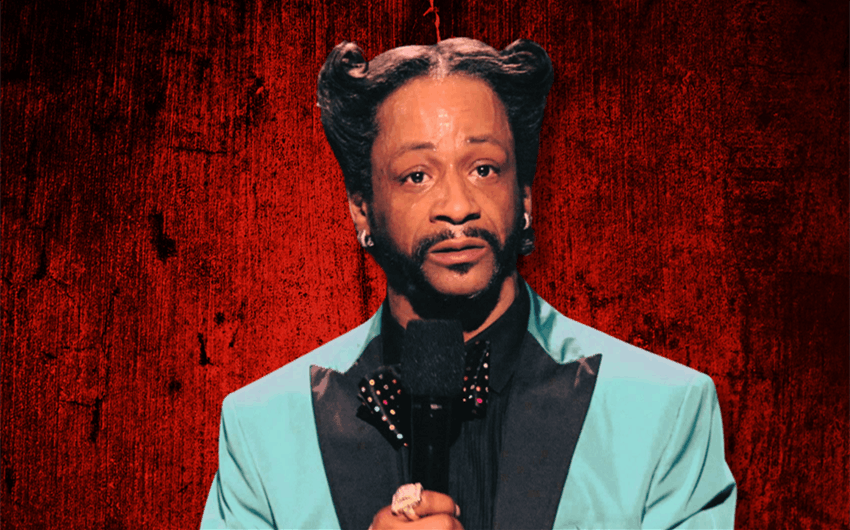
If you’re asking what is the net worth of katt williams, you’re probably trying to make sense of two things at once: his massive visibility and the wildly different numbers you see online. A realistic, common estimate puts Katt Williams in the mid-to-high seven figures, often quoted around $10 million to $25 million. You’ll also see lower figures floating around, which usually comes down to how different outlets guess at taxes, touring costs, legal issues, and what he actually owns versus what he earns.
So instead of pretending there’s one “official” number, let’s break down how Katt Williams makes money, what factors can push his net worth up or down, and why his finances are easier to misunderstand than most comedians.
Quick Facts About Katt Williams
- Full name: Micah Sierra “Katt” Williams
- Known for: Stand-up comedy, comedy specials, and scene-stealing acting roles
- Breakout era: Early-to-mid 2000s mainstream comedy rise
- Biggest money engine: Live stand-up touring
- Other income: Specials, acting, appearances, licensing, and brand-related deals
- Why net worth estimates vary: Private contracts + big touring expenses + uneven annual income
What Is The Net Worth Of Katt Williams In 2026?
In 2026, Katt Williams’ net worth is most realistically discussed as a range, not a single perfect figure. The range you’ll see most often from mainstream net worth tracking tends to land around $10 million to $25 million. A “middle” number people frequently repeat is about $20 million.
But here’s the honest truth: comedians’ net worth numbers are notoriously squishy. Katt’s income can be huge in a strong touring year, then look very different in a quieter year. And because he’s not a typical corporate celebrity who reports earnings publicly, most figures are educated guesses based on career output and industry norms.
Why Katt Williams’ Net Worth Has So Many Different Numbers Online
If you’ve seen one site claim a few million and another claim twenty million, you’re not imagining things. Here’s why the gap exists.
- Touring revenue gets confused with personal wealth. A tour can gross tens of millions, but gross is not profit.
- Comedy money comes in waves. Specials and tours create spikes; not every year is the same.
- Operating costs are high. Staff, security, travel, venues, production, and promotions eat a big chunk.
- Taxes hit hard. High-income years can trigger big tax bills, and entertainers often pay like business owners.
- People guess about assets. Real estate, investments, and personal holdings are usually private.
So when you read a number, your best move is to treat it like a weather forecast: directionally useful, not a bank statement.
How Katt Williams Makes His Money
Katt Williams is the kind of comedian who can turn one great year into a long financial runway—because he has multiple income streams. But touring is the main engine, and everything else supports it.
1 Live Stand-Up Touring
If you want to understand Katt’s money, start here. A successful stand-up tour is one of the most powerful income machines in entertainment because it’s direct-to-fan. People buy tickets. Venues fill seats. You repeat it across cities. That’s real cash flow.
However, touring money also comes with major expenses:
- venue fees and revenue splits
- promoters and marketing
- travel (flights, buses, hotels)
- staff (management, assistants, security)
- production and staging
This is why two comedians can have similar “tour grosses” but totally different net worth outcomes. The one who controls costs and owns more of the operation keeps more.
2 Comedy Specials And Streaming Deals
Comedy specials can be huge paydays, especially when a platform knows you have a loyal audience. Big-name comedians can negotiate high fees because a special isn’t just content—it’s a subscriber magnet and a cultural moment.
But there’s a detail most people miss: some comedians pay for parts of production, and those costs can be massive. So while the headline number sounds huge, the net profit depends on how the deal is structured and how much overhead the comedian covers.
For Katt, specials are also a brand amplifier. Even when a special doesn’t directly equal “permanent wealth,” it increases demand for touring, and touring is where the real long-term money often lives.
3 Acting Roles And TV Appearances
Katt Williams isn’t only a stand-up comic—he’s also known for acting roles that keep him in pop culture. Acting income tends to be less predictable than touring unless you’re a constant series regular, but it still adds meaningful money over time.
Acting also has an underrated financial benefit: it extends your audience. The bigger your audience, the more leverage you have when you negotiate tour guarantees, special fees, and sponsorship-style opportunities.
4 Merch And Direct Sales
Merch can look small compared to tours, but it’s a smart income stream because it’s “owned” money. You’re not splitting it the way you split box office revenue. You control the product, the pricing, and the margins.
For touring comics, merch also works like a multiplier: you sell it to people who already paid to be in the room. That’s a high-intent customer—meaning higher conversion.
5 Licensing, Catalog Value, And Long-Term Content Earnings
Over a long career, your old material can keep paying in small ways: licensing, reruns, compilation deals, or platform distribution. This tends to be quieter money, but it contributes to overall wealth stability.
Even if catalog income isn’t the “main” bucket, it helps smooth out the year-to-year swings that come with touring-heavy careers.
What Can Pull His Net Worth Down?
Net worth isn’t just about earning. It’s about what you keep after life happens. For entertainers, the biggest threats to wealth usually look like this:
- Legal issues and settlements. Any prolonged legal situation can be financially draining.
- Tour cancellations. Health, logistics, or disputes can turn projected revenue into zero.
- High operating costs. Big entourages and heavy production can shrink profits fast.
- Bad deals. If you don’t own rights or you sign away upside, you can look popular without building wealth.
- Taxes and penalties. High earnings plus complicated finances can create painful surprises.
This is why you’ll sometimes see low estimates for Katt. Some estimates lean heavily on “worst-case assumptions” rather than on his proven ability to sell tickets and deliver major projects.
What Can Push His Net Worth Higher?
On the flip side, Katt’s upside is real—because touring is scalable. If he runs a strong tour cycle and pairs it with a major special or two, his wealth can jump quickly.
- High-demand tours: Consistent sellouts and premium ticket pricing add up fast.
- Better ownership terms: The more control he has, the more profit stays with him.
- Strategic releases: Dropping a special at the right time can boost tour demand instantly.
- Lean operations: Lower overhead means higher profits even at the same revenue level.
That’s why the higher end of the $10M–$25M range feels plausible to many observers. The business model supports it—especially for a comic who remains highly bankable live.
How To Think About Katt Williams’ Wealth Like A Business
If you want a clean mental model, think of Katt Williams less like a traditional celebrity and more like a touring entrepreneur with entertainment products.
He essentially runs a business with:
- Products: live shows, specials, appearances
- Marketing channels: media buzz, clips, interviews, fan word-of-mouth
- Distribution: venues and streaming platforms
- Brand equity: his style, voice, controversy factor, and cultural impact
When that business is humming, the income can be enormous. When it’s quiet, outsiders assume the money vanished. The truth is usually in the middle: a successful entertainer with uneven yearly income, significant expenses, and a lot of private financial detail the public simply doesn’t see.
The Bottom Line On Katt Williams’ Net Worth
So, what is the net worth of katt williams in 2026? The most realistic answer is a mid-to-high seven-figure range, commonly placed around $10 million to $25 million, with a frequently repeated midpoint near $20 million.
If you want the simplest way to remember it: Katt Williams makes the kind of money that comes from being a touring heavyweight. His wealth isn’t built on one paycheck—it’s built on years of live demand, major specials, and a brand that still sells tickets in a way many comedians can’t match.
Featured image source: https://www.thecounterbalance.org/articles/is-katt-williams-a-misogynist-is-his-humor-problematic-or-just-provocative-piper-carter-podcast